
"Congolese coffee decline"
146000 article(s) found

What are the three primary coffee species?
Liberian: West Africa is the origin of Liberian coffee. It has strong adaptability to various environments such as high temperature or low temperature, humidity or dryness, etc., except for leaf rust resistance, and its flavor is worse than Arabica, so it is only traded domestically in some West African countries (Libya, Cote d'Ivoire, etc.) or planted for research. circulating in world markets

Liberian coffee beans-types of Italian coffee
Liberian coffee beans-Italian coffee species Liberian species (coffea liberica) do not want to go into detail here, because his trading scope is very small, usually not used, what we are talking about is not very often, so let's briefly describe it here. Liberian coffee originates in West Africa and is suitable for all kinds of rings, whether high or low, wet or dry.

Liberian caffeine content-caffeine content of a cup of coffee
Caffeine content of Liberian species-caffeine content of one cup of coffee (Coffealiberica). West Africa is the origin of Liberian coffee, no matter high or low temperature, humidity or dryness, it has strong adaptability, but it is not resistant to leaf rust and has worse flavor than Arabica robusta species, scientific name coffee RobustaLind.
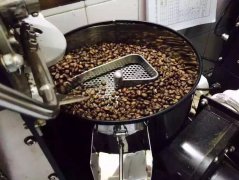
Robusta is one of the most important varieties of coffee in the world.
Robusta species (scientific name Coffee Robusta Linden) is one of the most important coffee tree varieties in the world. The leaf rust-resistant varieties found in Congo in Africa have stronger disease resistance than Arabica. In the general coffee market, many people like to compare robusta and Arabica coffee beans, which is incorrect. In fact, the Robusta species was originally from the Congo.

What is robusta coffee? One of the most important varieties of coffee in the world
Robusta is one of the most important coffee tree varieties in the world. Robusta species (scientific name Coffee Robusta Linden). The leaf rust-resistant varieties found in Congo in Africa have stronger disease resistance than Arabica. In the general coffee market, many people like to compare robusta and Arabica coffee beans, which is incorrect. In fact, the Robusta progeny
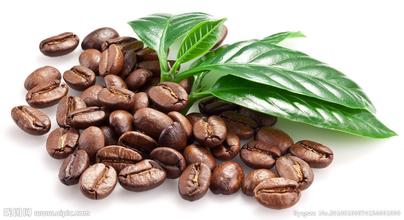
Introduction and Flavor of Robuska Coffee beans describe the taste of growing environment and producing area
Description of the introduction flavor of robusta coffee beans in the growing environment, the output of Robusta species accounts for 25% 35% of coffee bean production, and its main producing country is Indonesia (one of its coffee beans is a kind of coffee beans processed by washing method. It is a hybrid between Robusta and Arabica, and it is the only coffee bean that can be used as a single product in the Chinese market.
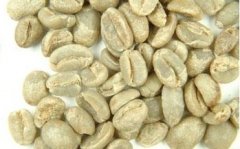
Coffee beans Basics African coffee beans Congo Kivu 4/Kivu 4
[Name] Kivu 4 [Origin] Congo (D.R.) Recommended Roast: Medium or Deep Roast: Distinctive dry aroma: earthy freshness; bright acidity under light flood, Kenyan, and tobacco-like bitterness. Overall performance under deep baking is between Kenya and Indonesia's Mantaning
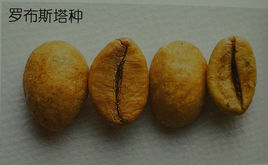
Introduction to coffee beans: learn more about Robusta coffee beans and the essence of tenacity
Robusta, one of the most important coffee tree varieties in the world. Robusta species (scientific name Coffee Robusta Linden). The leaf rust-resistant varieties found in Congo in Africa have stronger disease resistance than Arabica. In the general coffee market, many people like to compare robusta and Arabica coffee beans, which is incorrect. In fact, the Robusta progeny

African coffee raw beans Congo Kivu 4/Kivu 4
[product name] Kivu 4 (Kivu 4) [place] Congo (D.R. Congo) [place] washing [baking] recommended baking degree: medium or deep baking has a unique dry aroma: fresh smell similar to soil; light flood has a bright sour taste, similar to Kenya, and a bitter taste similar to tobacco. The overall performance of deep baking is between Kenya and Indonesia.
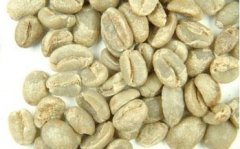
African coffee raw beans Congo Kivu 4/Kivu 4
[product name] Kivu 4 (Kivu 4) [place] Congo (D.R. Congo) [place] washing [baking] recommended baking degree: medium or deep baking has a unique dry aroma: fresh smell similar to soil; light flood has a bright sour taste, similar to Kenya, and a bitter taste similar to tobacco. The overall performance of deep baking is between Kenya and Indonesia.

Brief introduction of Arabica Coffee Bean varieties Mantenin belongs to iron pickup? reveal the secret of life experience
Professional coffee knowledge exchange more coffee bean information please follow the coffee workshop (Wechat official account cafe_style) front street-Mantenin variety introduction the world's coffee beans are mainly divided into two categories: small seed coffee beans Arabica (Arabica) and medium seed coffee beans Robusta (Robusta), small seed coffee beans grow in the temperate climate of Haiba 600-2000 meters, the taste is rich and delicate

The three primary species of Ethiopian coffee
About 65% of coffee circulating in the world market is Arabica: according to ICO (International Coffee Organization) statistics, excluding the domestic transactions of coffee producing countries, about 65% of coffee circulating in the world market is Arabica and 35% is Robusta. Arabica is characterized by elongated and flattened particles, and Robusta coffee beans are rounded. But if you add a
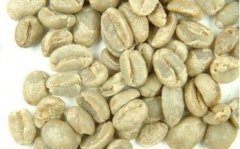
Premium coffee beans recommended African coffee raw beans Congo Kivu 4/Kivu 4
[product name] Kivu 4 (Kivu 4) [place] Congo (D.R. Congo) [place] washing [baking] recommended baking degree: medium or deep baking has a unique dry aroma: fresh smell similar to soil; light flood has a bright sour taste, similar to Kenya, and a bitter taste similar to tobacco. The overall performance of deep baking is between Kenya and Indonesia.

Coffee is divided into three original systems. What coffee beans do Starbucks use? Arabic coffee?
Arabica coffee began to be used by Yemenis in southwestern Arabia as early as 575 AD, Western Europe began to drink it around 1615, and coffee was popular in Europe in the early 17th century. Coffee in the world is mainly grown in America, Africa and Asia.

Three native species of coffee, Arabica, Robusta.
Coffee, we generally refer to the finished product: the coffee we drink, also refers to coffee beans. Coffee belongs to the evergreen shrub of the genus Coffee of Rubiaceae. Coffee has some medicinal effects, such as waking up the brain, strengthening the stomach, stopping bleeding, dissipating heat, strengthening the body, etc., hee hee, if anyone is blinded by love, have a cup of coffee to wake up! There are about 40 species of coffee plants, but they can produce commercially valuable

Fine coffee beans African coffee raw beans Congo Kivu 4/Kivu 4
Kivu coffee is slightly acidity, but citrus acidity is slowly rising full, so the taste is clear and peaceful, coupled with floral, vanilla and erratic tobacco flavor, is a very refreshing and playful coffee. [product name] Kiwu 4 (Kivu 4) [place of origin] Congo (D.R. Congo) [location] washing [baking] recommended baking degree: medium or deep baking [cup]

Coffee beans recommend African coffee raw beans Congo Kivu 4/Kivu 4
Kivu coffee is slightly acidity, but citrus acidity is slowly rising full, so the taste is clear and peaceful, coupled with floral, vanilla and erratic tobacco flavor, is a very refreshing and playful coffee. [product name] Kiwu 4 (Kivu 4) [place of origin] Congo (D.R. Congo) [location] washing [baking] recommended baking degree: medium or deep baking [cup]
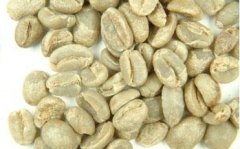
Common sense of coffee beans African coffee raw beans Congo Kivu 4/Kivu 4
[product name] Kivu 4 (Kivu 4) [place] Congo (D.R. Congo) [place] washing [baking] recommended baking degree: medium or deep baking has a unique dry aroma: fresh smell similar to soil; light flood has a bright sour taste, similar to Kenya, and a bitter taste similar to tobacco. The overall performance of deep baking is between Kenya and Indonesia.
Coffee is divided into three original systems. What coffee beans do Starbucks use? Arabica coffee?
Professional coffee knowledge exchange more coffee bean information please follow the coffee workshop (Wechat official account cafe_style) Arabica coffee was used by Yemenis in southwestern Arabia as early as 575, and Western Europe began to drink it around 1615. Coffee was popular in continental Europe in the early 17th century, and coffee was mainly grown in America, Africa and Asia.

Nicaraguan Yushi Coffee producing area introduces the story of Nicaraguan Yushi variety discovery
Professional coffee knowledge exchange more coffee bean information please follow the coffee workshop (Wechat official account cafe_style) how did Abyssinia in Ethiopia spread to the Congo and even Nicaragua? WCR's report surprised Miguel Meza, because neither Miguel himself, nor anyone he knew, raw bean merchants, had ever heard of Congolese products.